
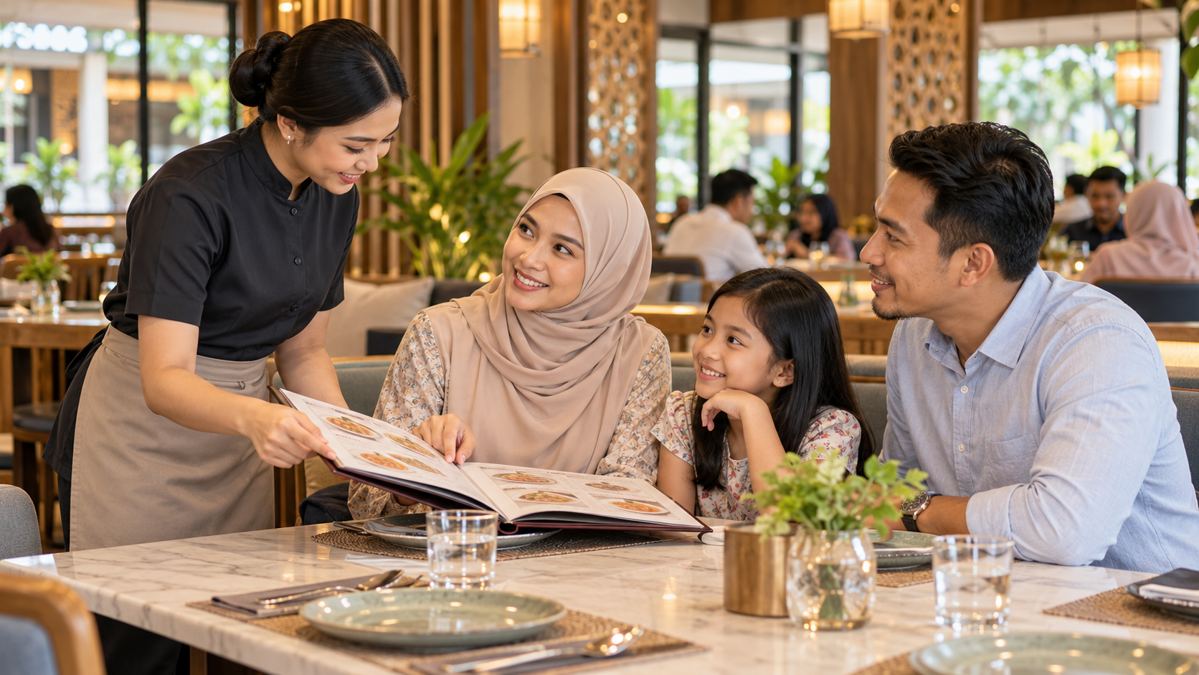
Choosing a restaurant involves more than deciding what to eat. For customers seeking halal dining in Malaysia, confidence in the information provided can be an important part of the experience.
Restaurants can support informed decisions through accurate communication, knowledgeable staff and a welcoming approach to questions. From the first online search to the moment a meal arrives, every interaction offers an opportunity to build trust.
Make Information Easy to Find
Customers often look at a restaurant’s website, social media pages or online menu before visiting. These channels should provide clear, consistent information about the business.
Where a restaurant holds halal certification, customers should be able to identify the relevant premises and verify the details. JAKIM’s Malaysian Halal Directory provides information on certified products, food premises and services.
Restaurants should review their published information regularly, particularly when outlet details or certification information changes. Clear communication helps customers understand exactly what a statement refers to.
Help Staff Answer Questions Accurately
Frontline employees are often the first people customers approach with questions about ingredients, preparation or certification.
A useful staff briefing should explain where verified information is kept, who handles detailed enquiries and how to respond when an answer is uncertain.
Employees should feel comfortable saying, “Let me check that for you.” Checking with a responsible colleague gives customers a more dependable answer than guessing.
The same approach should apply to enquiries received through telephone calls, messaging platforms and social media.
Write Clear and Useful Menus
A menu should help customers understand what they are ordering. Straightforward descriptions of main ingredients, sauces and cooking methods can make the selection process easier.
Where dishes contain ingredients that commonly prompt questions, staff should have access to accurate product information.
Halal enquiries and allergy enquiries should each receive appropriate attention. A response about halal status does not answer a separate question about allergens or the possibility of allergen cross-contact.
Keep Online and In-Restaurant Messages Consistent
A customer may encounter a promotional post, a delivery listing and a printed menu before placing an order. Review these materials together to identify conflicting descriptions or outdated details.
For businesses with several outlets, make the location clear in announcements and replies. Information about one branch should be presented with enough context for customers to understand its relevance.
Assigning responsibility for updates can help prevent old information from remaining online.
Handle Customer Concerns Respectfully
Questions about halal dining deserve a calm, factual response. Listen carefully, establish what the customer wants to know and provide supporting information where available.
If a concern requires investigation, explain who will review it and how the customer can receive an update. Keep personal information private and avoid turning a genuine enquiry into a public argument.
Feedback can also reveal gaps in menus, staff guidance or online information that the restaurant can address.
Build Confidence Through Everyday Service
Accurate information works best alongside attentive service and a well-maintained dining environment. Customers should be able to ask questions without feeling rushed or dismissed.
Restaurant owners can begin with a simple