
How to Check Halal Certification in Malaysia: A Practical Consumer Guide
When shopping for food or choosing a restaurant, knowing how to check halal certification can help you make an informed decision. Packaging, advertisements and online recommendations may provide useful starting points, but current official records offer a stronger basis for verification.
Malaysia’s Halal Directory provides information on certified products, food premises and services. JAKIM directs consumers to this resource to check certification information, including domestic certification by JAKIM and state Islamic religious departments.
Here are six practical steps for checking the information relevant to your purchase or visit.
1. Start with the Official Halal Malaysia Portal
Visit the Halal Malaysia Portal and use its halal-status verification function.
Prepare the product name, brand, company name or premises details before searching. The business name shown on a signboard may differ from its registered company name, so information from packaging or the business itself can help you identify the right record.
The portal also provides official announcements and information about foreign halal certification bodies.
Access the portal directly rather than relying solely on screenshots shared through social media.
2. Match the Record to the Exact Product or Premises
Finding a familiar company name is a starting point. Read the available details and check that they correspond to the product or location you are considering.
For packaged products, compare the product description and manufacturer information where available. For restaurants, confirm the outlet name and address.
Do not assume that information about one product or branch answers every question about a wider brand. If the scope is unclear, ask the business for its certificate details and seek clarification from the relevant authority.
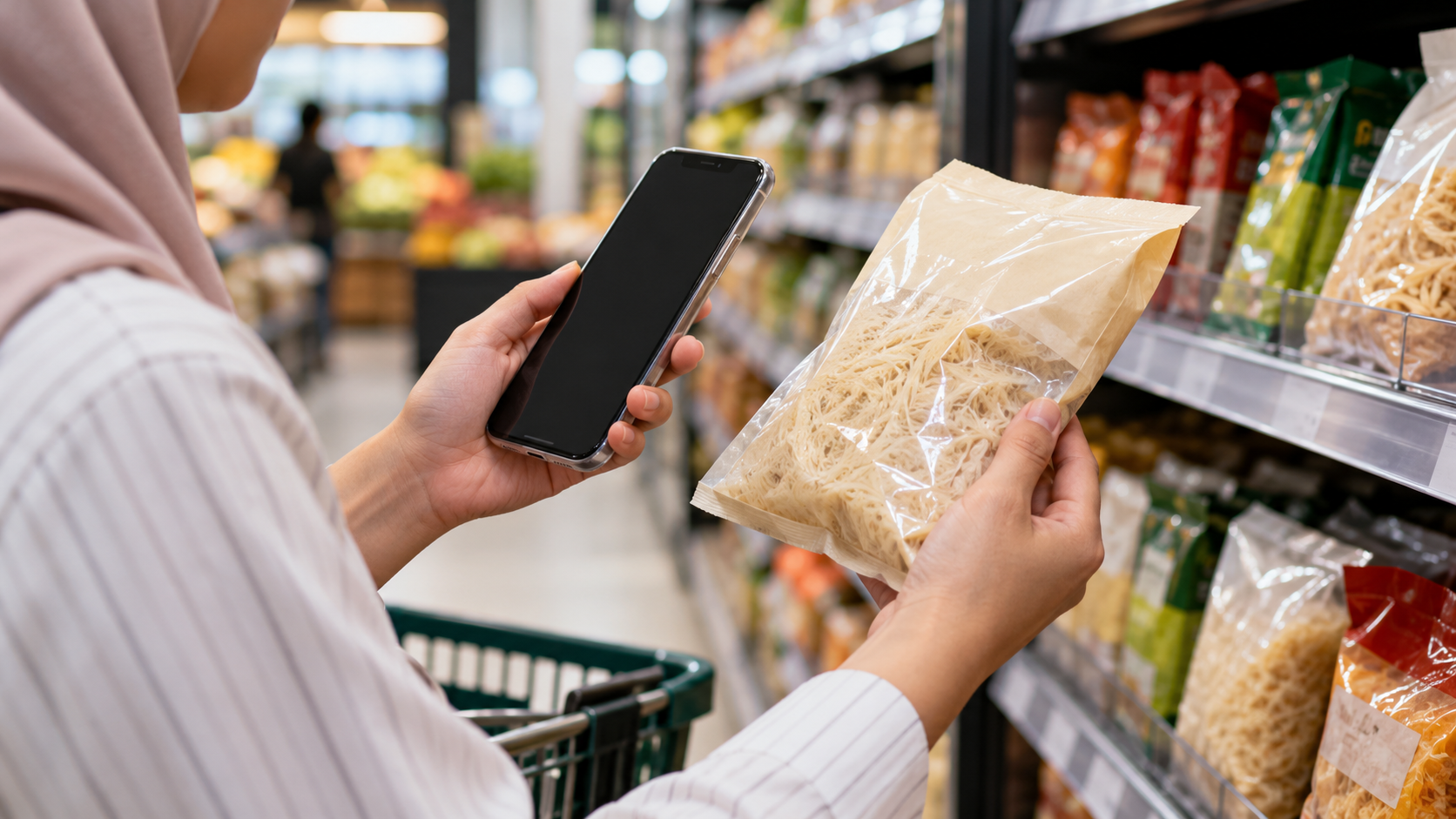
3. Check Validity and Current Information
Look at the validity information displayed in the official record or certificate. An old photograph of a certificate may not establish its current status.
The portal’s verification records include expiry information, while official announcements provide additional context about certification developments. Check these sources when confirming a claim.
If the details shown by a business differ from the information you find online, request clarification before treating the certification as verified.
4. Understand What Marketing Descriptions Tell You
Descriptions such as “Muslim-owned,” “pork-free” or “Muslim-friendly” communicate particular claims, but they do not by themselves establish that a business holds halal certification.
Keep ownership, menu descriptions and certification status as separate questions. A friendly explanation from staff can help, while official verification addresses the certification claim.
JAKIM’s Halal Management Division identifies misleading wording, including “Muslim-friendly,” among issues consumers can raise through its complaint channels.

5. Take Extra Care with Imported Products
Imported products may display marks from foreign halal certification bodies. Check the certifying organisation against JAKIM’s current recognition information rather than relying on an unfamiliar logo’s appearance.
JAKIM advises consumers to check for the Malaysian halal logo or a logo from a recognised foreign halal certification body and to verify the relevant information through the Halal Malaysia Portal.
Products with similar branding can also have different manufacturing details. Examine the actual package being sold rather than assuming that a photograph of another version applies.
6. Ask for Clarification When a Search Is Inconclusive
If you cannot find a matching record, check spelling, the registered company name and the exact address. Ask the business for additional details where necessary.
An unsuccessful search does not, on its own, establish that a product is haram. It means that you have not confirmed its certification through that search.
If you suspect a false certificate or misuse of a halal logo, preserve relevant details and use the official reporting channels. The Halal Malaysia Portal provides an e-complaint facility.
Make Verification Part of Your Routine
A useful checking habit is straightforward: identify the exact product or premises, search an official source, compare the details and clarify anything that remains uncertain.
Before sharing a claim online, check when the information was published and whether an official update is available. Careful verification helps consumers make decisions while avoiding unsupported conclusions about businesses.
For official halal-status checks and announcements, visit www.halal.gov.my.