
The message usually starts in a family WhatsApp group. It is a screenshot, a claim that a drink contains alcohol or that a factory uses pig-derived materials, and a request to share it so others know. By the time the marketing team sees it, the comments under the brand’s latest Instagram post are full of questions. A retail buyer has also emailed to ask whether the halal certificate is still valid.
Malaysian brands have faced versions of this many times. In 2019, JAKIM publicly confirmed that Tealive held valid Malaysian halal certification after messages claimed its drinks contained alcohol and porcine ingredients. In September 2024, a JAKIM reply to a public complaint, stating that five well-known restaurant chains did not hold Malaysian halal certification, circulated widely online. In early 2026, the Melaka Islamic Religious Department revoked the halal certificates of two coffee and biscuit producers. According to media reports, an inspection had found cleaning brushes believed to be made from pig bristles.
These three cases are fundamentally different. The first was a false rumour about a certified brand. The second concerned businesses that were not certified at all. The third involved a compliance failure identified by the authority itself. An effective response starts by working out which of these situations a brand is actually in, and that has to happen before anyone writes a public statement.
Why halal rumours behave differently from other complaints
A complaint about slow service or a price increase concerns customer experience. A question about halal status touches on religious obligation for Muslim consumers. It therefore spreads faster, draws in people who have never bought the product, and lingers in search results long after the facts are settled.
It also carries regulatory weight. In Malaysia, halal certification is voluntary, but halal descriptions and the Malaysian halal logo are governed under the Trade Descriptions Act 2011. Under the Trade Descriptions (Certification and Marking of Halal) Order 2011, JAKIM and the state Islamic religious councils are the competent authorities that certify food, goods and related services as halal. Misusing the halal logo is an offence under that framework.
The practical consequence is that a brand cannot settle a halal question by assertion. Customers, retail buyers and export partners want the status confirmed by the certifying authority, not by the company’s social media team.
Step one: establish the facts internally
Before anyone posts a reply, a small response group should meet. This usually means the Halal Executive or person responsible for halal matters, someone from quality or operations, a communications lead and a senior decision-maker. Together they should answer five questions:
- Is the certificate valid today? Check the live status on the Halal Malaysia Portal, which allows searches by category such as food premises, food and beverage products, cosmetics and logistics. Do not rely on the PDF saved in the company’s files.
- Does the certification cover the specific product, outlet or premises named in the claim? Certification attaches to particular products and premises. A brand with certified products may still sell an uncovered item, or operate a new outlet that has not yet been certified.
- Is there any factual basis for the claim? Compare the named ingredient, supplier, batch or practice against purchasing records, the approved supplier list and production records.
- Has anything changed recently? New suppliers, reformulations, packaging changes, new outlets and staff turnover are common sources of genuine gaps.
- Has the certifying authority already said anything? Check the official channels of JAKIM’s Halal Management Division and the relevant state religious department or council.
Businesses that already keep organised, traceable records can answer these questions in hours rather than days. That is one reason a recall-ready evidence trail is useful even when no recall ever happens.
A response framework for three different situations
Once the facts are clear, the response depends on which situation applies. The table below sets out what to verify, what can reasonably be said and what to avoid in each case.
| Situation | What to verify first | What the brand can say | What to avoid |
|---|---|---|---|
| Certified, and the claim is false | A valid certificate covering the named product or premises; no factual basis for the allegation | That the product or premises holds valid Malaysian halal certification, with directions on how customers can check the status themselves through official tools | Attacking the people who shared the message; claiming coverage beyond what the certificate includes; reposting the rumour image |
| Certified, but a genuine lapse is possible | Whether the named ingredient, supplier or practice departs from the approved halal assurance system | That the company is investigating, is in contact with its certifying authority and has taken specific interim steps such as holding affected stock | Declaring the product halal before the authority has assessed the matter; deleting comments; blaming a supplier publicly before the facts are known |
| Not certified, or the item or outlet is not covered | Exactly what customers were told through signage, menus, advertising, delivery-app listings and staff answers | A plain statement of the actual certification status, plus correction of any wording that may have implied certification | Arguing that “the ingredients are halal” as a substitute for certification; displaying the halal logo; vague wording that blurs the status |
The third situation is often the most sensitive. A business that has never claimed certification may still face anger if customers assumed it was certified. The response should be factual and calm. It is also a good moment to review every channel for wording that crosses into a halal claim, which our guide on what businesses can and cannot say without certification covers in detail.
Let the official record do the work
For a certified brand facing a false rumour, the most persuasive evidence is not a long statement but a verifiable one. Point customers to the “Verify Halal Status” search on the Halal Malaysia Portal and to JAKIM’s Verify Halal mobile application, so they can confirm the status themselves. Where JAKIM or a state authority publishes a clarification, sharing it directly carries more weight than paraphrasing it. When Tealive faced the 2019 rumour, it reposted JAKIM’s clarification rather than relying on its own claims.
Brands should not expect the authority to issue a public statement on request. Authorities decide what to publish and through which channel. In April 2026, the Deputy Minister in the Prime Minister’s Department (Religious Affairs) said halal-status information should be verified and released through authorised platforms, specifically JAKIM’s Halal Management Division. The lesson for businesses is to use the official contact channels listed on the Halal Malaysia Portal and to cite only official statements, not screenshots of uncertain origin.
The same discipline applies to the brand’s own documents. Posting a certificate image that has expired, belongs to a different legal entity or covers a different product can create a second controversy. Businesses that understand how Malaysian halal e-Cert verification works are better placed to share accurate, checkable information.
If the problem turns out to be real
When the internal check finds a genuine issue, compliance comes first and communication second. The business should contact its certifying authority and follow its instructions. Depending on the authority’s assessment, those instructions may involve stopping use of the halal logo or withdrawing affected products. In the Melaka case, products from the two producers were reportedly ordered withdrawn from the market after their certificates were revoked.
The brand is also not in a position to judge whether an affected product remains acceptable to Muslim consumers. That determination belongs to the certifying authority. In practice, a credible response usually includes:
- quarantining affected stock and identifying the batches, dates and customers involved;
- preserving purchasing, production and cleaning records rather than tidying them up;
- informing retail, distribution and export customers directly, before they learn about it from social media;
- issuing a short, accurate holding statement that does not pre-empt the authority’s findings; and
- updating the statement once the authority has made a decision, including the corrective actions taken.
Common mistakes that make a halal rumour worse
- Responding before confirming certificate scope. A statement that the brand is “fully halal-certified” can unravel quickly if one product or outlet is not covered.
- Mass-deleting critical comments. Screenshots survive, and deletion is often read as an admission.
- Leading with legal threats. Legal options may be appropriate later, but threatening customers who are asking a sincere religious question rarely rebuilds trust.
- Letting outlet managers or franchisees improvise. Inconsistent answers from different branches suggest the company does not know its own status.
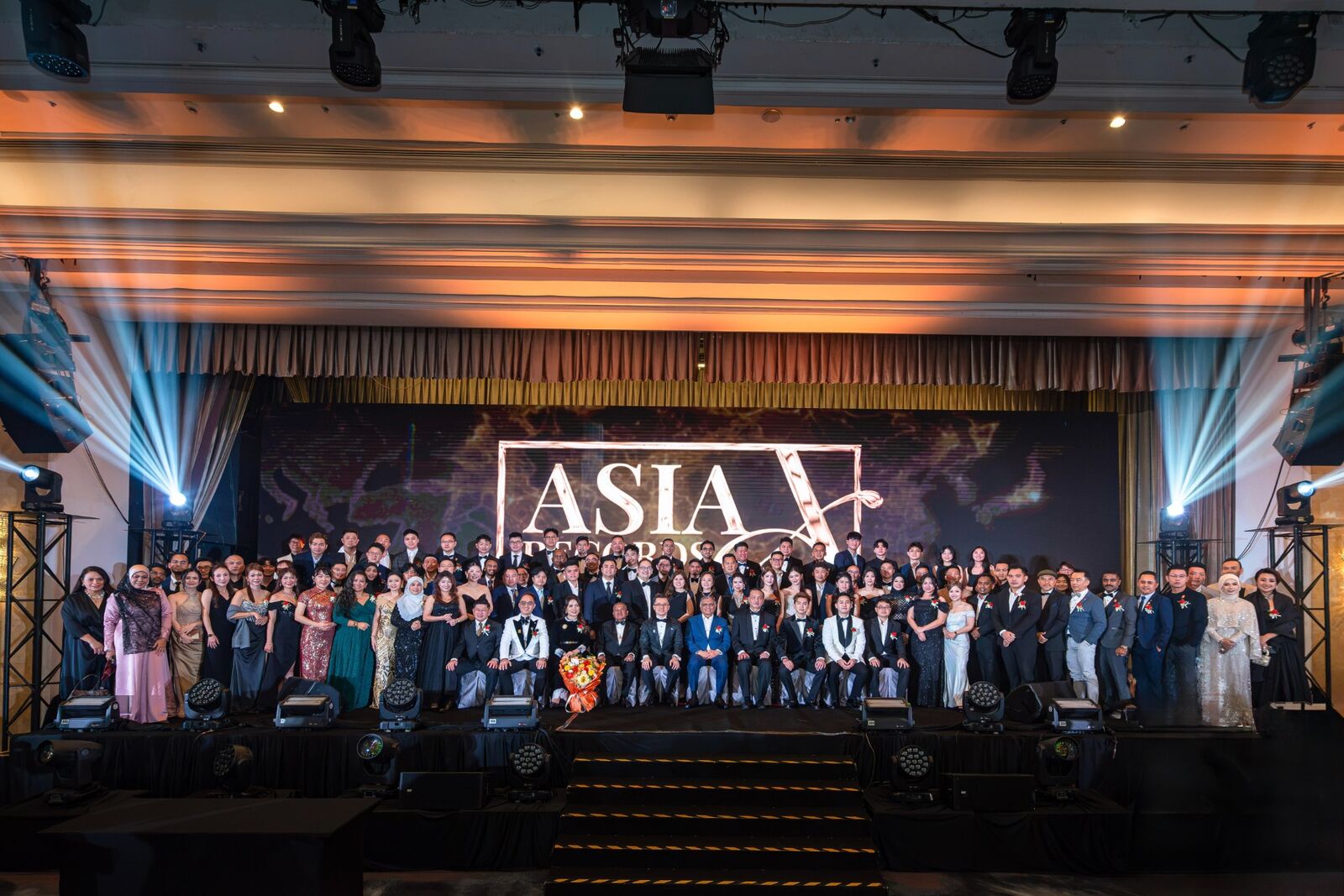
- Citing awards or business achievements as proof of halal status. A business award, an Asia Halal Brand Award or a recognised business achievement says nothing about halal compliance. Record recognition, for example, works by checking whether a clearly defined, measurable claim is supported by evidence, as Asia Record’s published verification process sets out. It does not examine ingredients, suppliers or production hygiene. Our explainer on what certification, awards and record recognition each prove explains why these should never be presented as interchangeable.
Preparing before the next rumour
Most of the work that determines how well a brand handles a halal rumour happens before the rumour appears. A preparation checklist might include:
- A certification register listing every certified product and premises, its expiry date and its certifying authority, checked periodically against the Halal Malaysia Portal.
- Pre-approved holding statements for each of the three situations above, reviewed by the Halal Executive and management.
- A named spokesperson and halal contact, so that public answers and authority contact are coordinated.
- Front-line training so staff can say accurately which items or outlets are certified, and do not guess.
- A marketing review confirming that menus, packaging, websites and delivery-app listings do not imply coverage the certificate does not provide.
- Contact lists for the certifying authority, key buyers and distributors, kept current.
- Social listening for the brand name alongside halal-related terms in both Malay and English, so issues are spotted early.
Muslim consumer trust in a halal brand is built over years and can be tested in an afternoon. A brand that can show its status quickly through the certifying authority’s own records, acknowledges uncovered products plainly, and is honest when something has genuinely gone wrong is in a far stronger position than one that relies on volume, indignation or unrelated credentials.